Navigating ADA Standards in Connecticut in 2026: What Businesses Need to Know to Stay Compliant
Updated: Apr 13
Accessibility remains a critical legal and ethical requirement for businesses in Connecticut in 2026. Many business owners believe their properties meet the Americans with Disabilities Act (ADA) standards, yet enforcement agencies and courts increasingly find gaps in compliance. While the ADA law itself has not undergone major revisions recently, Connecticut has aligned its enforcement practices with updated standards and heightened expectations. This means businesses must revisit their accessibility measures to avoid legal risks and ensure equal access for all customers.
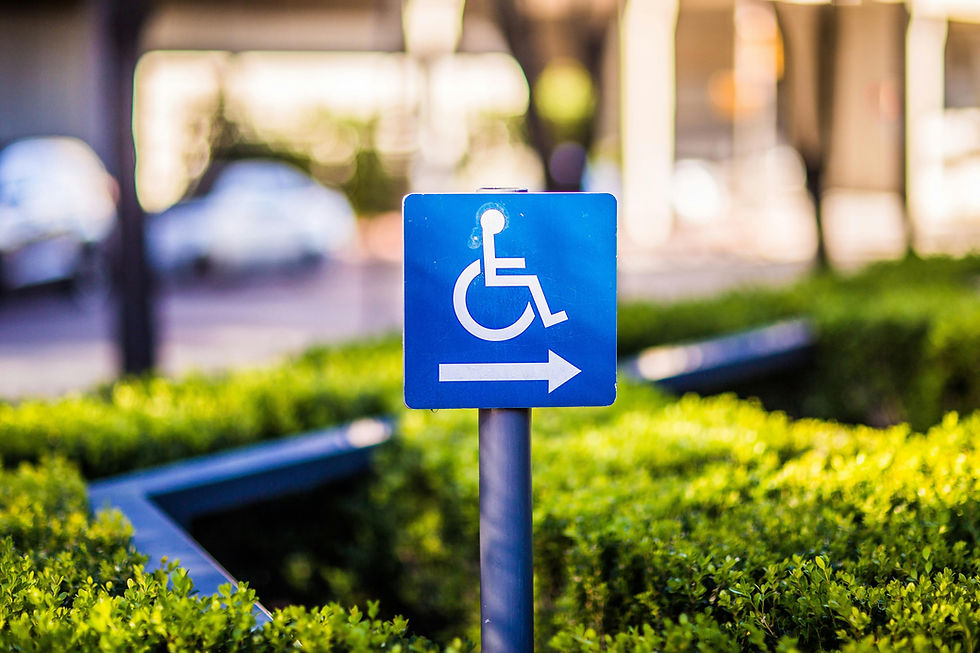
What the ADA Covers in Simple Terms
The Americans with Disabilities Act is a federal civil rights law that prohibits discrimination against individuals with disabilities. It ensures they have equal access to public life, including employment, transportation, and public accommodations.
Two parts of the ADA are especially relevant for Connecticut businesses:
Title II applies to public entities such as state and local government facilities. It requires these entities to make their programs, services, and activities accessible.
Title III covers private businesses that are open to the public, like restaurants, retail stores, hotels, and commercial offices. These businesses must remove barriers to access and provide reasonable accommodations.
The ADA sets standards for physical accessibility, including entrances, restrooms, parking, and communication aids. It also increasingly addresses digital accessibility, such as websites and mobile apps.
Common Accessibility Issues in Connecticut Commercial Properties
Despite awareness of ADA requirements, many Connecticut businesses face recurring accessibility problems. Some of the most frequent issues include:
Parking: Insufficient number of accessible parking spaces, improper signage, or spaces that are too narrow.
Entrances: Steps without ramps, heavy doors that exceed allowable force limits, or doorways that are too narrow for wheelchairs.
Door Force: Doors that require more than 5 pounds of force to open can prevent access for people with limited strength.
Restrooms: Lack of accessible stalls, grab bars, or sinks at the correct height.
Maintenance: Accessibility features that are damaged, blocked, or improperly maintained, such as ramps with cracks or elevators out of service.
These issues often arise from outdated building designs, lack of regular inspections, or misunderstanding of ADA standards.
What Has Changed in 2026 for ADA Compliance in Connecticut
While the ADA law itself remains largely the same, several important developments affect Connecticut businesses this year:
Increased Enforcement: Connecticut agencies and the U.S. Department of Justice have stepped up inspections and investigations. Complaints about accessibility have led to more frequent audits and legal actions.
Alignment with Updated Standards: Connecticut has adopted the 2010 ADA Standards for Accessible Design as the baseline and is encouraging compliance with the 2018 International Building Code (IBC) accessibility provisions, which include more detailed requirements.
Digital Accessibility: There is growing recognition that websites, online booking systems, and digital kiosks must be accessible to people with disabilities. Businesses are expected to follow Web Content Accessibility Guidelines (WCAG) 2.1 or later.
These changes mean businesses must review both physical and digital access points to stay compliant.

Risks of Noncompliance
Ignoring ADA compliance can lead to serious consequences:
Legal Action: Businesses may face lawsuits, fines, and court orders to fix violations. Connecticut courts have awarded damages and attorney fees in many recent cases.
Reputation Damage: Negative publicity from accessibility complaints can harm customer trust and brand image.
Lost Business: Customers with disabilities represent a significant market segment. Barriers can deter them from visiting or returning.
Operational Disruptions: Forced renovations or closures to address violations can interrupt business activities and increase costs.
Proactive compliance reduces these risks and supports inclusive customer experiences.
Conduct a Comprehensive Accessibility Audit: Use qualified professionals to evaluate parking, entrances, restrooms, signage, and digital platforms. Identify barriers and prioritize corrective actions.
Update Physical Features: Ensure accessible parking spaces meet size and signage requirements. Install ramps or lifts where needed. Adjust door hardware to reduce opening force. Update restrooms with grab bars and accessible fixtures.
Maintain Accessibility Features Regularly: Schedule routine inspections and repairs. Keep ramps clear of debris, repair non-functioning automatic doors promptly, and ensure elevators remain operational.
Strengthen Digital Accessibility: Review websites and apps for compliance with WCAG 2.1 standards. Provide alternative formats for online content and ensure navigation is keyboard-friendly.
Build Staff Awareness: Educate employees on ADA requirements and how to assist individuals with disabilities respectfully and effectively.
Document Compliance Efforts: Maintain records of audits, repairs, staff training, and accessibility-related communications. This documentation can be critical if compliance is ever questioned.


